
Best US Veterinary Conferences and Courses for Hands-On Surgical Training
Enhance your surgical skills at top US veterinary conferences that offer hands-on training, practical experience, and valuable continuing education...
3 min read

Choosing among veterinary conferences can feel a little overwhelming.
There are lectures to consider, continuing education credits to earn, new products and technologies to explore, and opportunities to connect with other veterinary professionals. While completing your CE obligations is important, a good veterinary conference can offer much more.
The right veterinary conference can give you practical skills you can use when you return to work, introduce you to animal health innovations or spark ideas that change how you approach a case, your team or your career. Depending on your goals, that might mean seeking out hands-on surgical training, exploring a new area of veterinary medicine or finding opportunities for professional development and veterinary career growth.
Here are some things to consider when deciding which United States veterinary event is the right fit for you.
When comparing veterinary conferences, it can be tempting to focus on the number of continuing education credits offered. But a high CE count doesn’t necessarily mean a more valuable experience. The more important considerations are whether the education fits what you want to learn, how you prefer to learn it and what you hope to bring back to your practice.
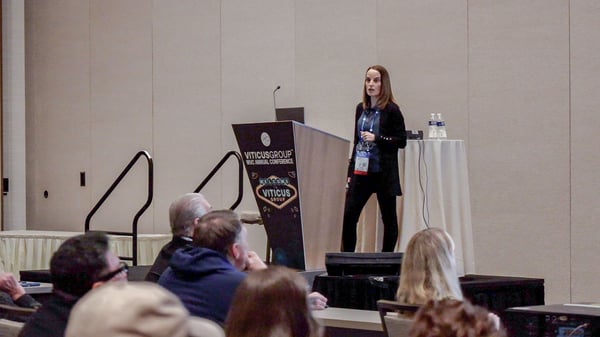
Start by looking at the quality and relevance of the education. A conference may offer hundreds of hours of CE, but you won’t benefit from sessions that don’t align with your clinical interests or career goals. Consider whether the program includes the topics and specialties that matter to you, as well as a mix of lectures, interactive sessions, workshops and small group experiences. A lecture can be a good way to learn about a new topic or hear from an expert, while a workshop may allow you to work through a technique and ask questions as you go. If you’re hoping to build a particular skill, look for conferences that offer hands-on learning rather than relying entirely on traditional lecture formats.
Also think about the investment. Registration fees are only part of the equation. Travel, lodging, time away from the practice and the number of days you’ll be away from home factor into the final cost. Before committing to a conference, review the full program to determine whether the experience is worth the financial and time commitment.
Some information is better understood and processed when you get to practice it. This is especially true for surgical techniques and other skills that depend on coordination, instrument handling and repetition. Hands-on surgical training allows veterinary professionals to move beyond watching a procedure and work through the technique themselves.
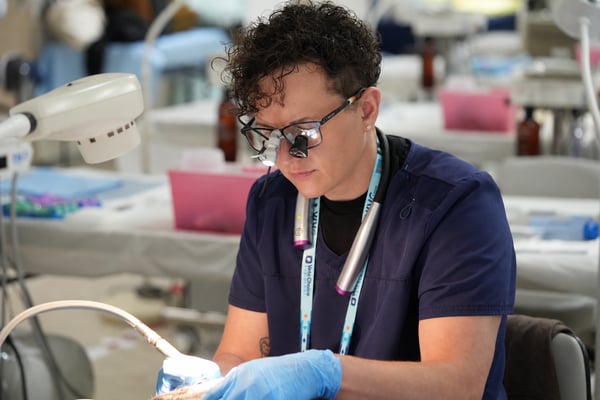
Depending on the veterinary conference, hands-on opportunities may include surgical labs, wet labs, workshops or smaller skills-based sessions. These formats typically give participants more time to work through a procedure and ask questions than a traditional lecture allows. Small-group instruction can be particularly valuable because participants have more opportunities to interact directly with instructors and receive feedback as they practice.
When evaluating a hands-on session, look at what you’ll be doing, how much practical time is included, how much instructor support is available and whether the course is designed for your experience level.
A veterinary conference should also offer opportunities beyond the lecture room. The exhibit hall can be a useful place to see what’s new across the profession and get a closer look at animal health innovations that may be useful to your practice.

The exhibit hall also provides chances to talk directly with the people behind new products and technologies. A conversation with a product specialist can answer practical questions about how a tool is used, what types of practices it’s best suited for and how it could fit into an existing workflow. Understanding what’s available can help you make informed decisions when a need arises in your practice.
Some of the most valuable conversations at veterinary conferences happen between sessions. Stepping outside your usual practice environment gives you a chance to meet veterinary professionals with different experiences, interests and perspectives, and those connections can become an important part of your veterinary career growth. A conversation over coffee or after a session might introduce you to a new clinical area, a different approach to practice or someone who can offer guidance as your career develops.

These events can also be a good place to find potential mentors or discover opportunities you hadn’t considered. If you’re interested in developing leadership skills, moving into a new area of veterinary medicine, pursuing additional training or taking on a different role within the profession, talking with people who have followed those paths can provide a useful perspective.
In addition to providing the necessary CE hours, the right veterinary conference can help you build practical skills, discover new ideas, explore animal health innovations and make connections that support your career long after you head home. Before you register, consider what you want to learn, who you want to meet and what you hope to bring back to your practice so you can find the event that provides the best opportunity to make those goals a reality.

Enhance your surgical skills at top US veterinary conferences that offer hands-on training, practical experience, and valuable continuing education...